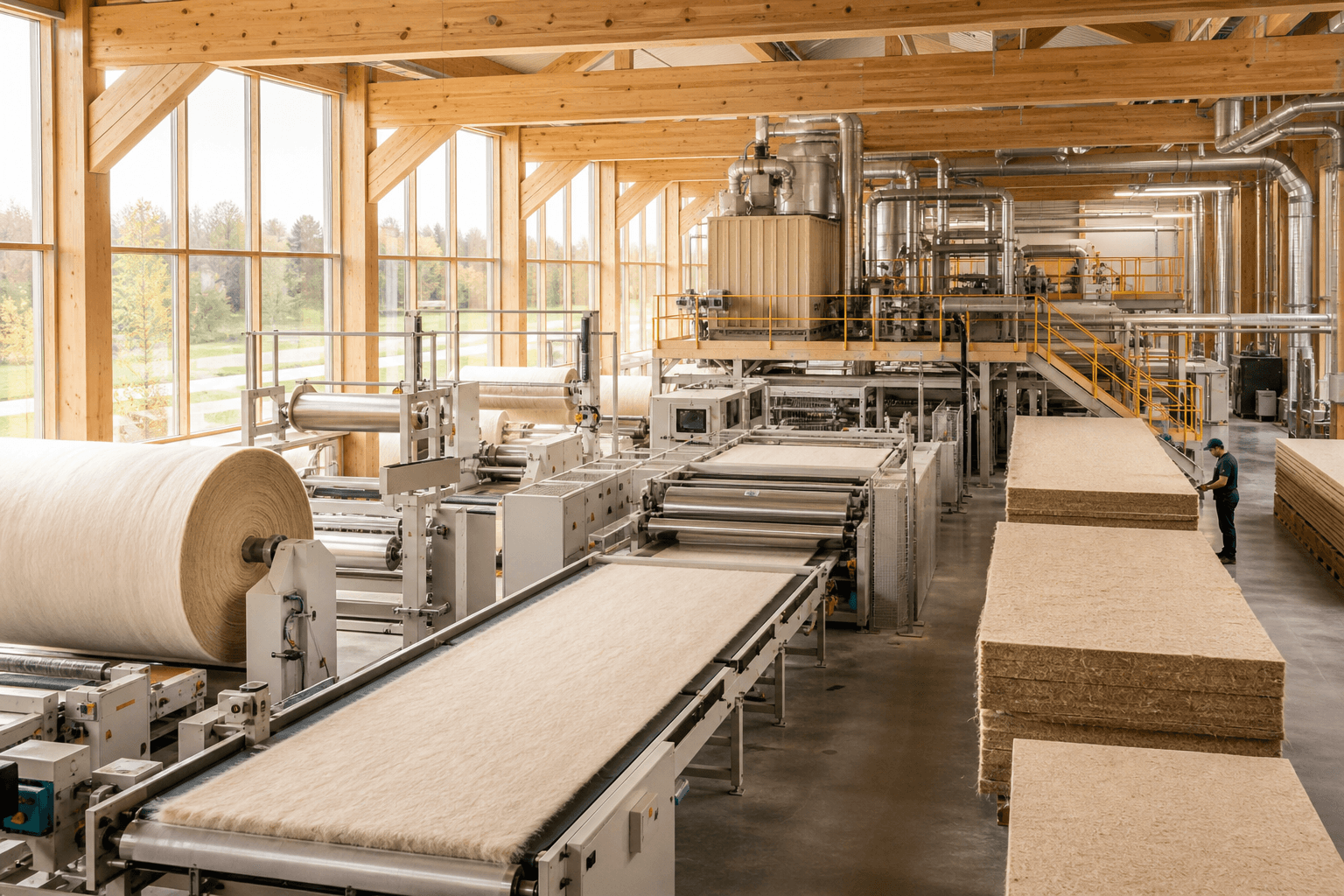
Textile input
Cottonized hemp sliver
Refined domestic fiber formatted for blending and modern spinning systems.
YarnTechnical fabrics
Open organization 
State profile / Southeast
Textiles & manufacturing are defining the state’s role in the emerging domestic hemp economy.
Regional profile
North Carolina represents one node in a national industrial system. Its competitive position is shaped by crop knowledge, nearby processors, manufacturing capacity, freight access, research, and the willingness of downstream markets to specify domestic hemp materials.
Supply-chain position
Move upstream or downstream through the industrial system.
Organizations headquartered here
 [01]BF
Textile fiber / North Carolina
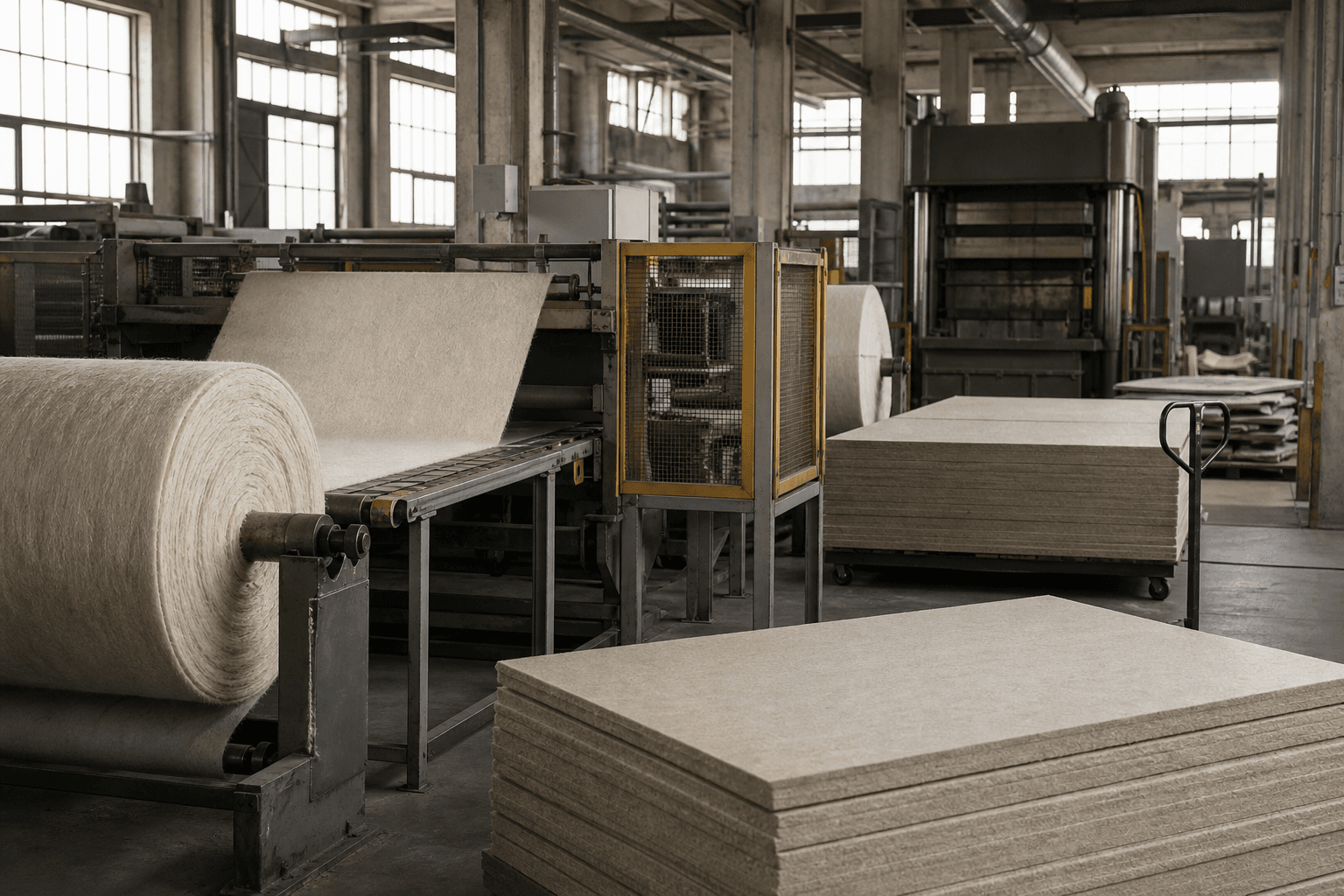
Refining U.S.-grown hemp into textile-grade fiber for blended yarns, apparel, and durable goods.
 [02]NS
University research / North Carolina
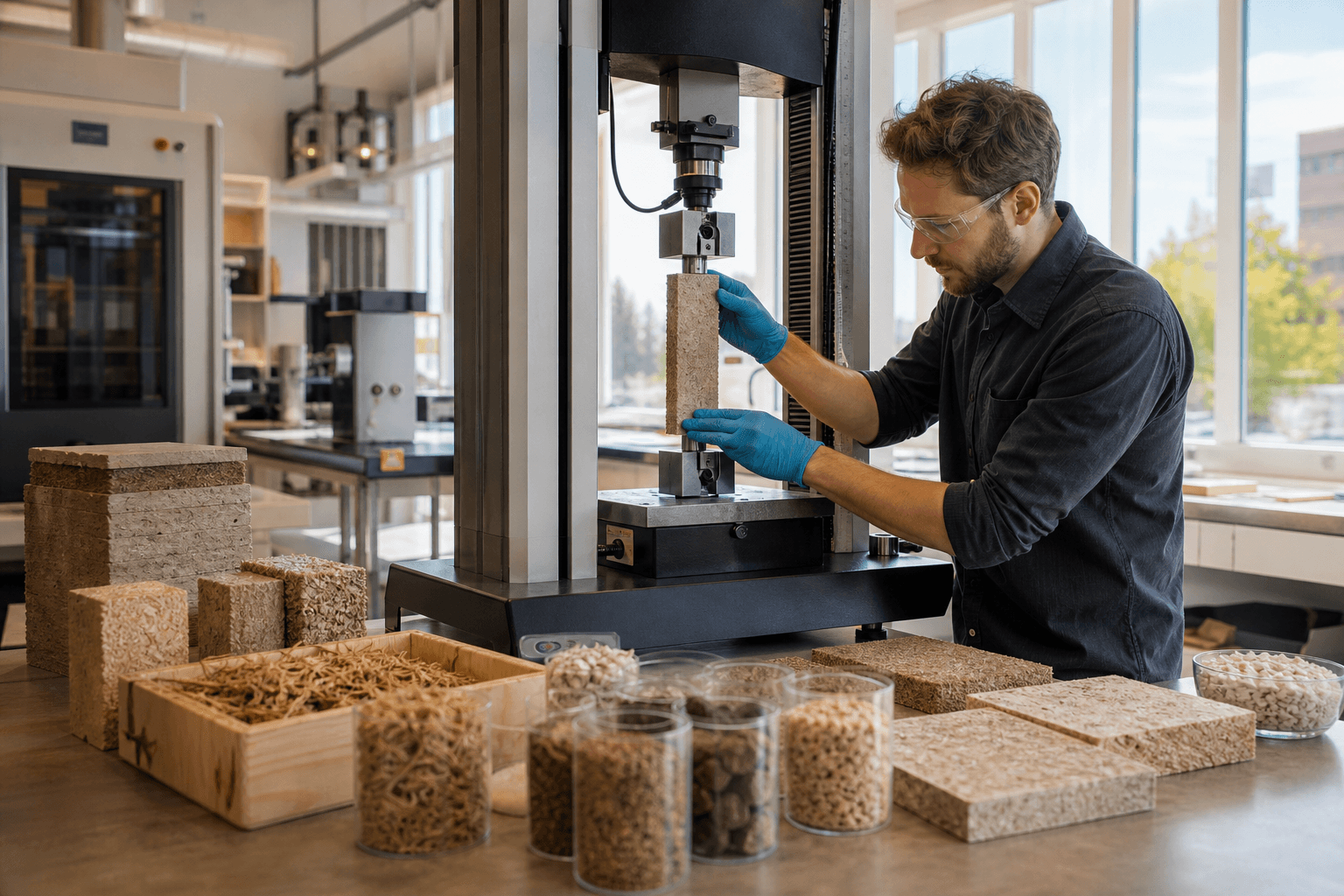
Conducts agronomic, fiber, and production research for North Carolina growers and industry.
 [03]BN
Fiber processor / decortication / North Carolina
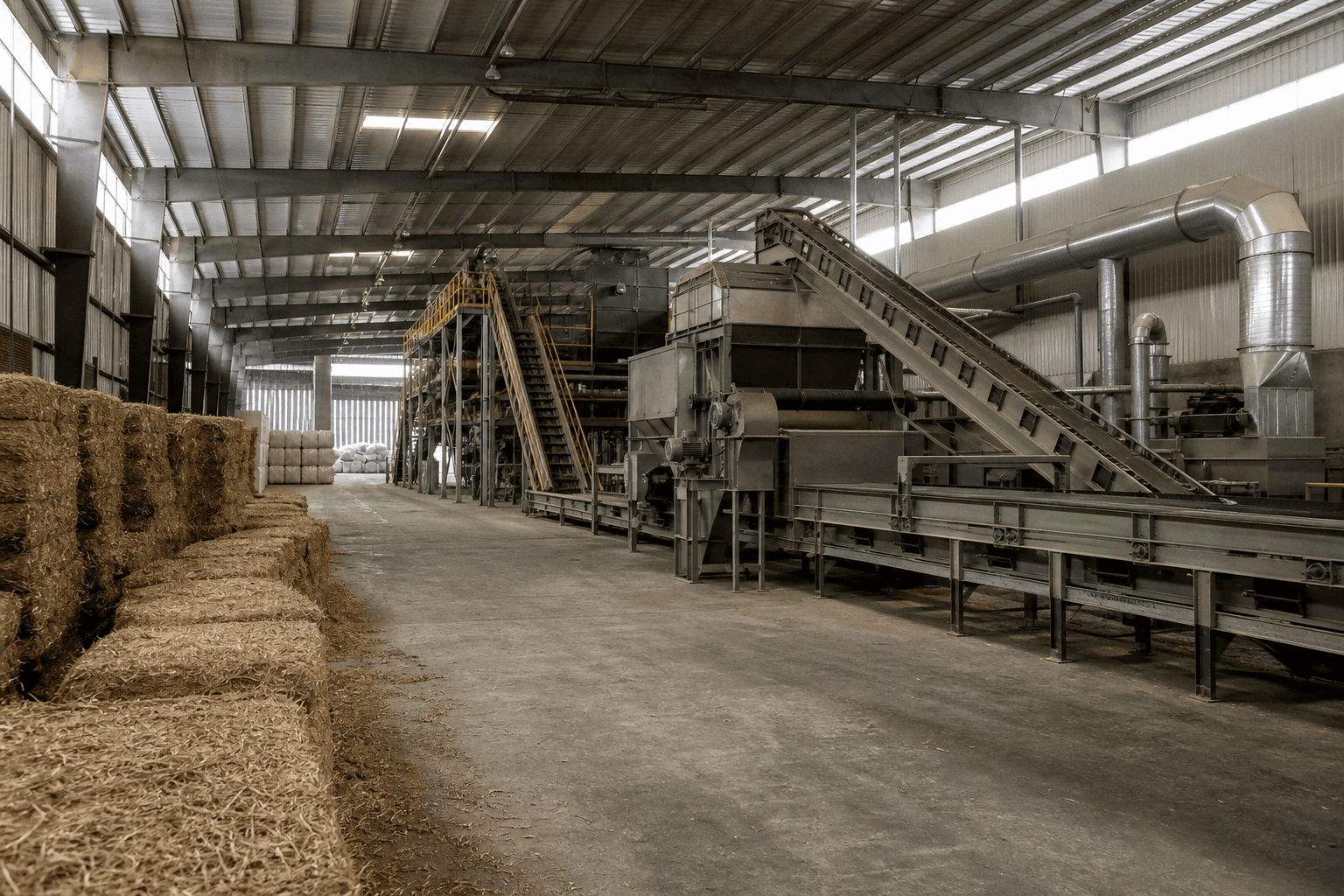
Hemp-stalk processor with decortication and refining lines producing hurd and fiber; announced a $10.9M, ~90,000-square-foot Robeson County facility in 2022.
[04]AHFiber / bedding supplier / North Carolina
Supplier of industrial hemp bast fiber and hurd for animal bedding, mulch, composites, textiles, and hempcrete.
Materials produced and used here
01Refined natural fiber
Cleaned and cottonized hemp fiber engineered for compatibility with modern spinning and textile systems.
View material02Structural fiber
Long, strong fibers from the stalk exterior used in insulation, textiles, papers, and reinforced composites.
View material 03
03Planting input
Certified industrial genetics selected for fiber, grain, feed, and regional field performance.
View materialRelated products
Textile input
Refined domestic fiber formatted for blending and modern spinning systems.
Projects in this state