Fiber length distribution
- Why it matters
- Determines compatibility with opening, carding, and forming equipment.
- Test / declaration method
- Documented length measurement and sampling plan.

Material profile / Refined natural fiber
Cleaned and cottonized hemp fiber engineered for compatibility with modern spinning and textile systems.
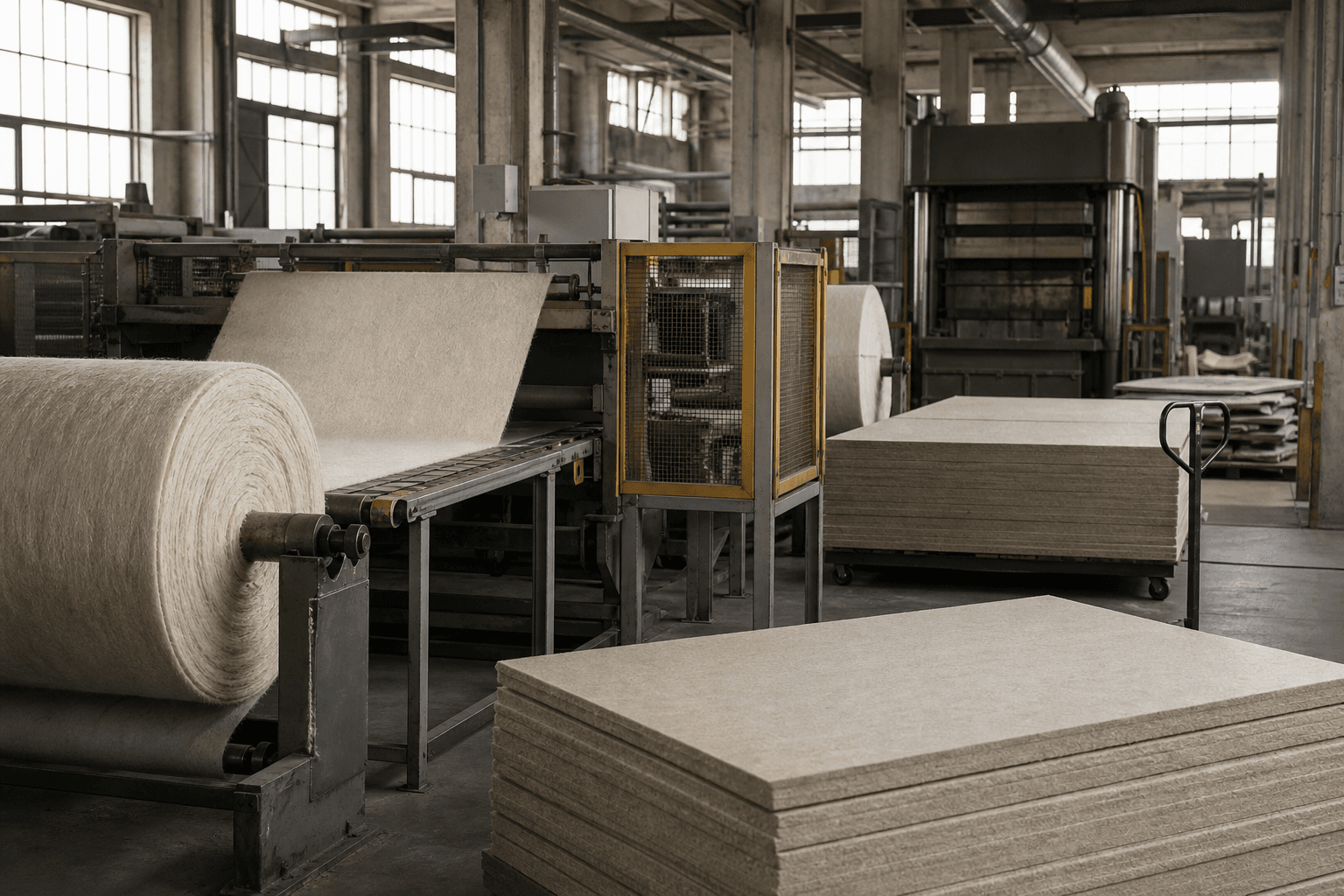 Material / industrial application
Specify this material
Methods must be agreed between buyer and supplier. A named parameter without its sampling basis and tolerance is not a complete specification.
Typical ranges
Use these only to frame an RFQ. Contract values must come from the supplier's declared lot specification and the buyer's intended process.
Fiber length distributionSupplier-specific - state target and tolerance
Moisture at load8-15% by mass planning range
Hurd and dust contentSupplier-specific - state target and tolerance
Bale density and dimensionsSupplier-specific - state target and tolerance
Tensile propertiesSupplier-specific - state target and tolerance
Freight profile
Indexed producers
Blank specification sheet
Record requirement, units, tolerance, method, and supplier declaration for every parameter.
Supply-chain position
Move upstream or downstream through the industrial system.
Related records
Applications
Related products
Textile input
Refined domestic fiber formatted for blending and modern spinning systems.
Textiles
Woven hemp and hemp-blend fabric supplied for apparel, interiors, and durable goods.
Related records
Continue exploring
 01
01Structural fiber
Long, strong fibers from the stalk exterior used in insulation, textiles, papers, and reinforced composites.
View material 02
02Cellulosic aggregate
The woody core of the stalk, valued for its low density, moisture behavior, and use in hemp-lime construction.
View material 03
03Building envelope
A vapor-open composite of graded hemp hurd, lime binder, and water used around a structural frame.
View material